
The Cave and the Returner
Life After LifeThis theme thread uses Plato’s cave allegory to frame the difficulty of returning from an overwhelming vision to a community that cannot easily recognize it.
increasing Bearing strength in each event
 decreasing
Bearing strength in each eventdecreasingPrisoners of Shadows
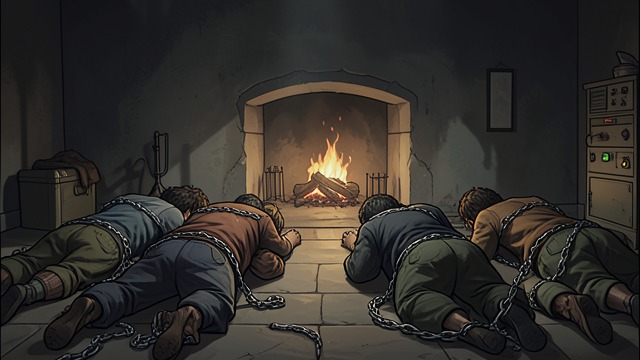
A Confined View
The Cave Dwellers
In Republic, Socrates asks Glaucon to imagine people chained so they can see only shadows on a wall. They mistake the limited images available to them for reality itself.
Familiarity as a Boundary
The prisoners’ world is not empty; it is the only world their position lets them perceive. The allegory makes restricted perspective a human condition rather than an individual failing.
Release into Brightness
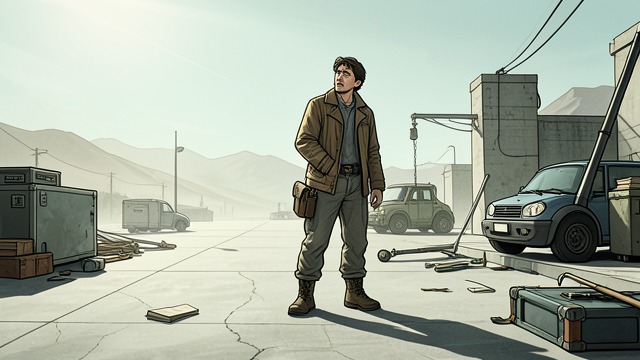
Painful New Sight
A Disorienting Change
The freed prisoner must turn, stand, and look toward objects that are more real than the shadows. At first, the brightness hurts and the new objects are difficult to discern.
Understanding Takes Time
The prisoner does not immediately master the altered view. The allegory treats learning as an adjustment that can be uncomfortable before it becomes illuminating.
The Sun Outside
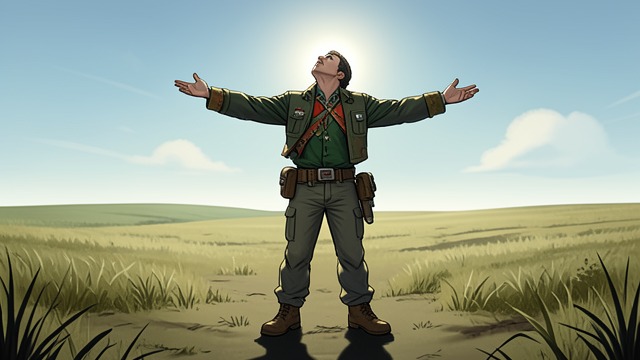
A Broader Reality
Gradual Habituation
The freed person first sees shadows and reflections, then objects, then the heavens and finally the sun. Knowledge develops through stages rather than appearing all at once as effortless certainty.
A Changed Account of Cause
The prisoner understands the sun as the source of seasons and visible things. The ascent changes not only what he sees but how he understands the world’s order.
Return to the Prisoners
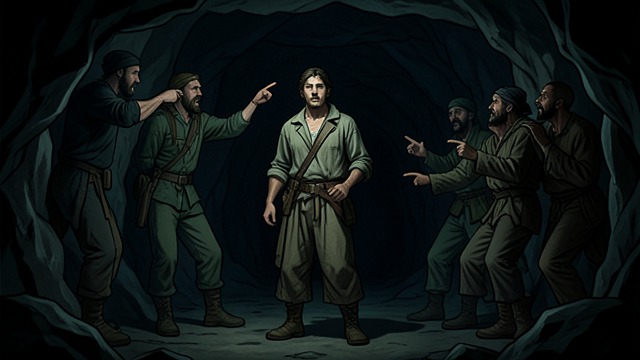
Vision Becomes a Liability
Darkness Again
Returning from sunlight leaves the prisoner temporarily unable to see in the cave. He appears impaired to people whose judgment depends on the familiar shadows.
Ridicule and Rejection
The prisoners laugh at him and may even kill anyone who tries to lead them upward. The allegory makes communication, not just discovery, the danger of returning.
The Near-Death Parallel
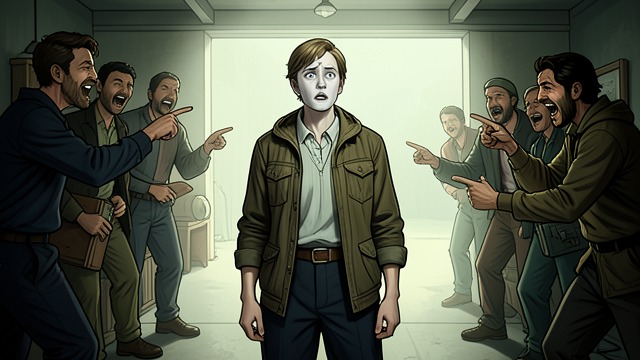
A Difficult Return
The Experience Cannot Be Shared Easily
Moody quotes the allegory without further comment, inviting comparison with people who return from near-death experiences and struggle to describe what they saw. Their accounts can seem implausible to listeners who have not shared them.
A Warning Against Contempt
The parallel does not prove that the accounts reveal an afterlife. It does suggest that ridicule may reflect limits in the listener’s perspective as much as defects in the speaker’s words.
At the opening of Plato’s allegory quoted in the epilogue
When a prisoner is turned toward the fire and objects
After the freed prisoner leaves the cave
When the enlightened prisoner descends again
At the epilogue’s closing comparison
